Study of Post-Revolution Music by Cubans
JAPONÉSON
Domestic / Overseas Line / Bridges of Music
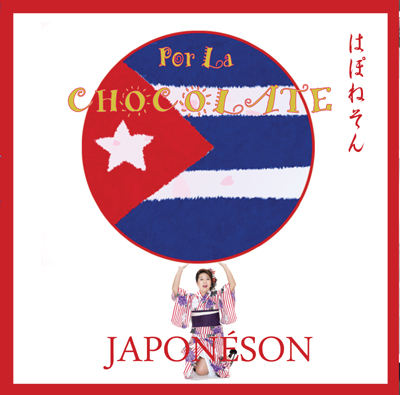
“JAPONÉSON”
is a coined word combining Japón (Japan) and Son (the root and soul of Cuban music)—a bridge connecting two distant worlds through sound.
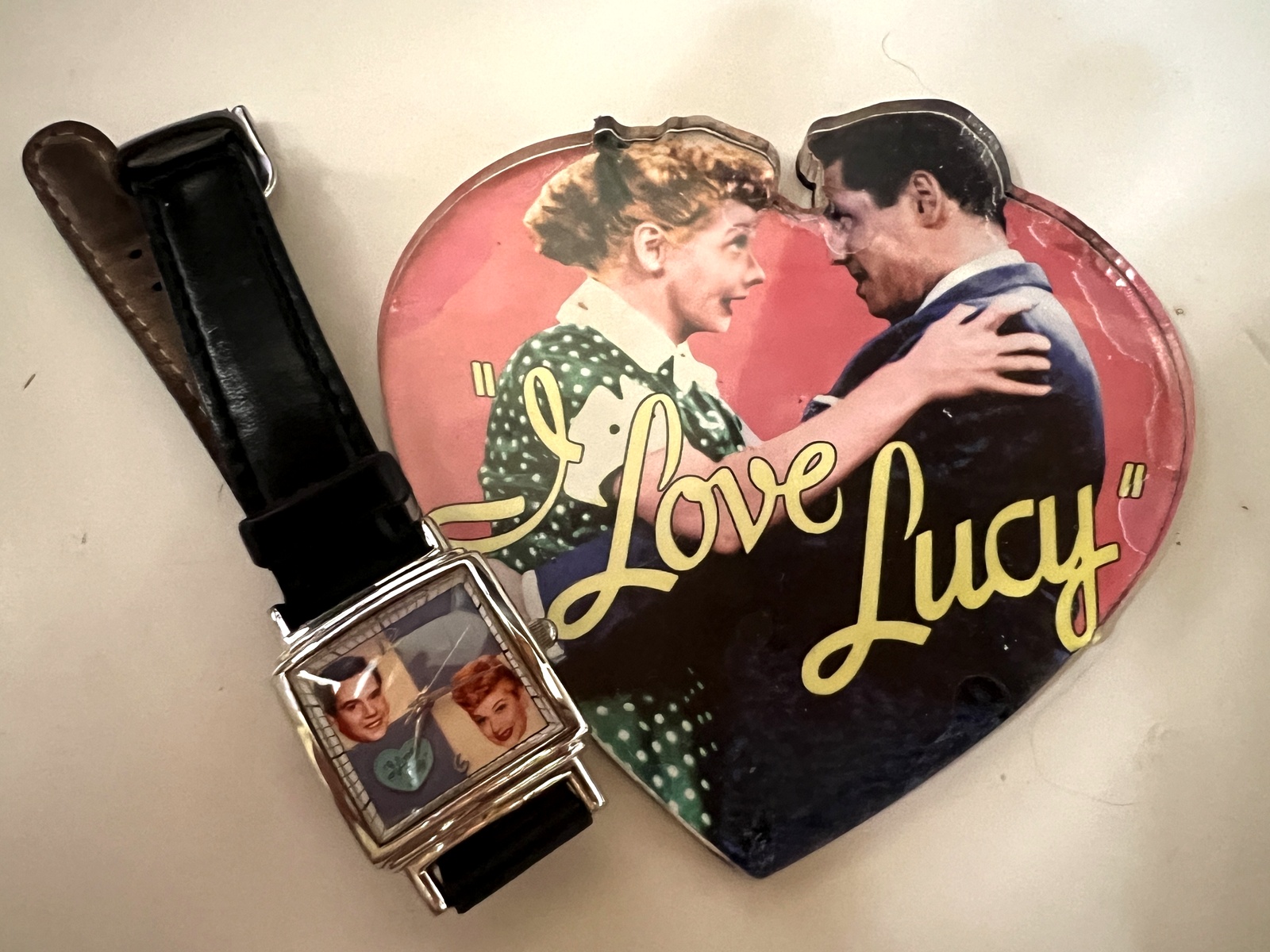
My first meeting with an exiled Cuban was Ricky Ricardo, played by Desi Arnaz in “I Love Lucy”.
I fell in love with this band leader who had such a strong accent. Of course, I knew nothing about Cuba, the U.S., or even Cuban music.
A Door at East Harlem
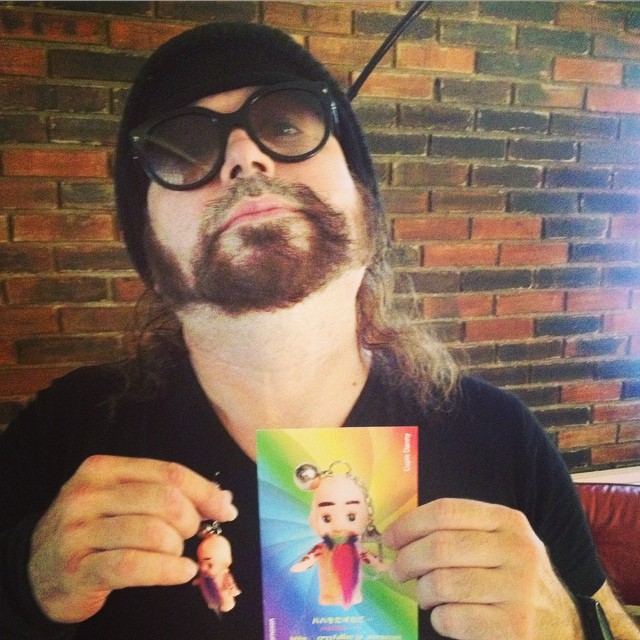
Autumn 2013. I was staying in New York, and through the window of a restaurant in Spanish Harlem, I saw Danny Rojo.
What is this???
In the jazz world I'd known, and in the Japanese community in New York, you didn't get into Hispanic culture unless you really wanted to. Don't go outside on the day of the Puerto Rican parade, it's dangerous... that kind of thing. A friend of mine was attacked in a robbery and died. The man who killed him was Puerto Rican. A friend who lived three blocks from me. Inside his apartment.
So there was a wall between me and Latin culture.
But that day, a door opened.
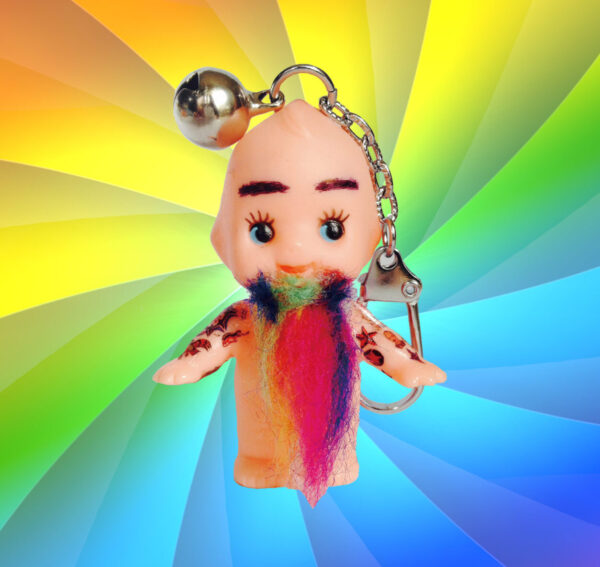
The next year, I saw a cupie doll keychain at a hundred-yen shop and, on a mischievous whim, made Cupie Danny. And Cupie Danny ended up working its way in among the Cuban musicians — big toe first.
Without any Spanish, without knowing Cuban music, without knowing who the famous Cuban musicians were, I called Carlos Varela, Issac Delgado, Edesio Alejandro. Because Danny told me to go and hand them over.
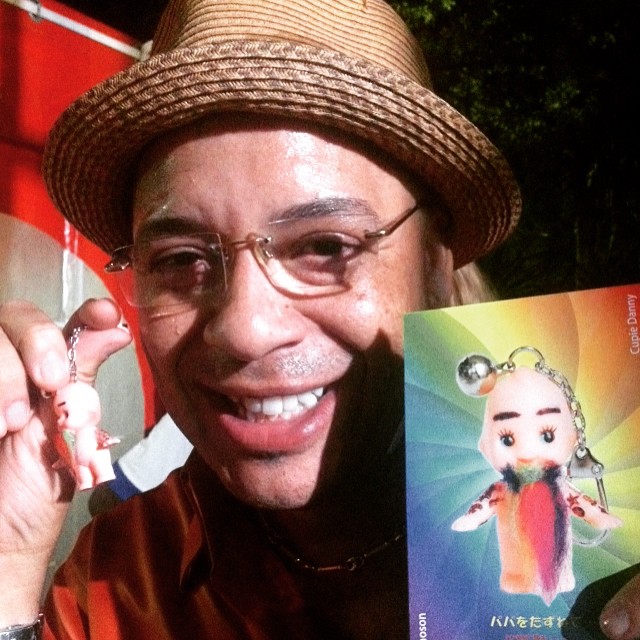
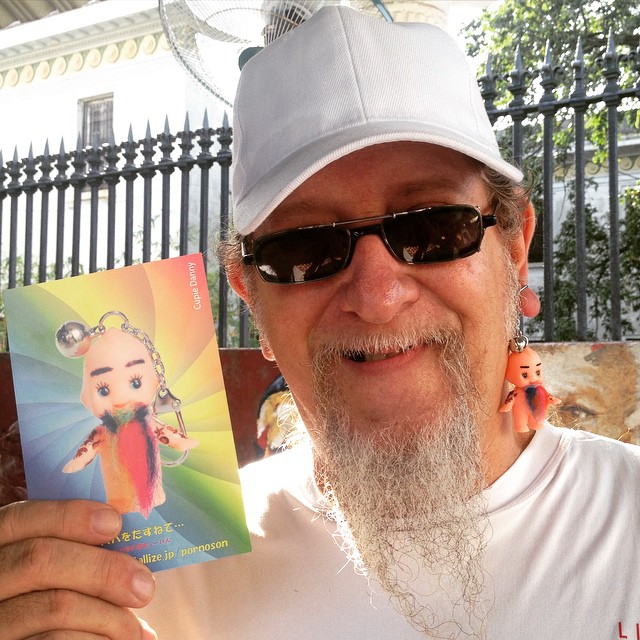
And with that big toe still wedged in, I spied on their world, just a little. But that wasn't enough for me, so I got a student visa and went to live in Cuba. Because unless I lived there, there were things I couldn't see — I couldn't grasp even a fragment of understanding.
I fell in love with that inconvenient country.
Because it's inconvenient, I came to know home cooking — the kind of food you can't make without giving it time.
Because it was inconvenient, and there was time, we talked slowly. Maybe there was time to listen to my terrible Spanish.
Music was a language inside everyday life, and Papi always had a guitar in one hand, throwing words at me, singing to me. Sometimes it got annoying, though.
Papi was proud of having fought at Playa Girón — the Bay of Pigs.
Danny hated Cuban politics.
But both of them loved music.
And I love music.
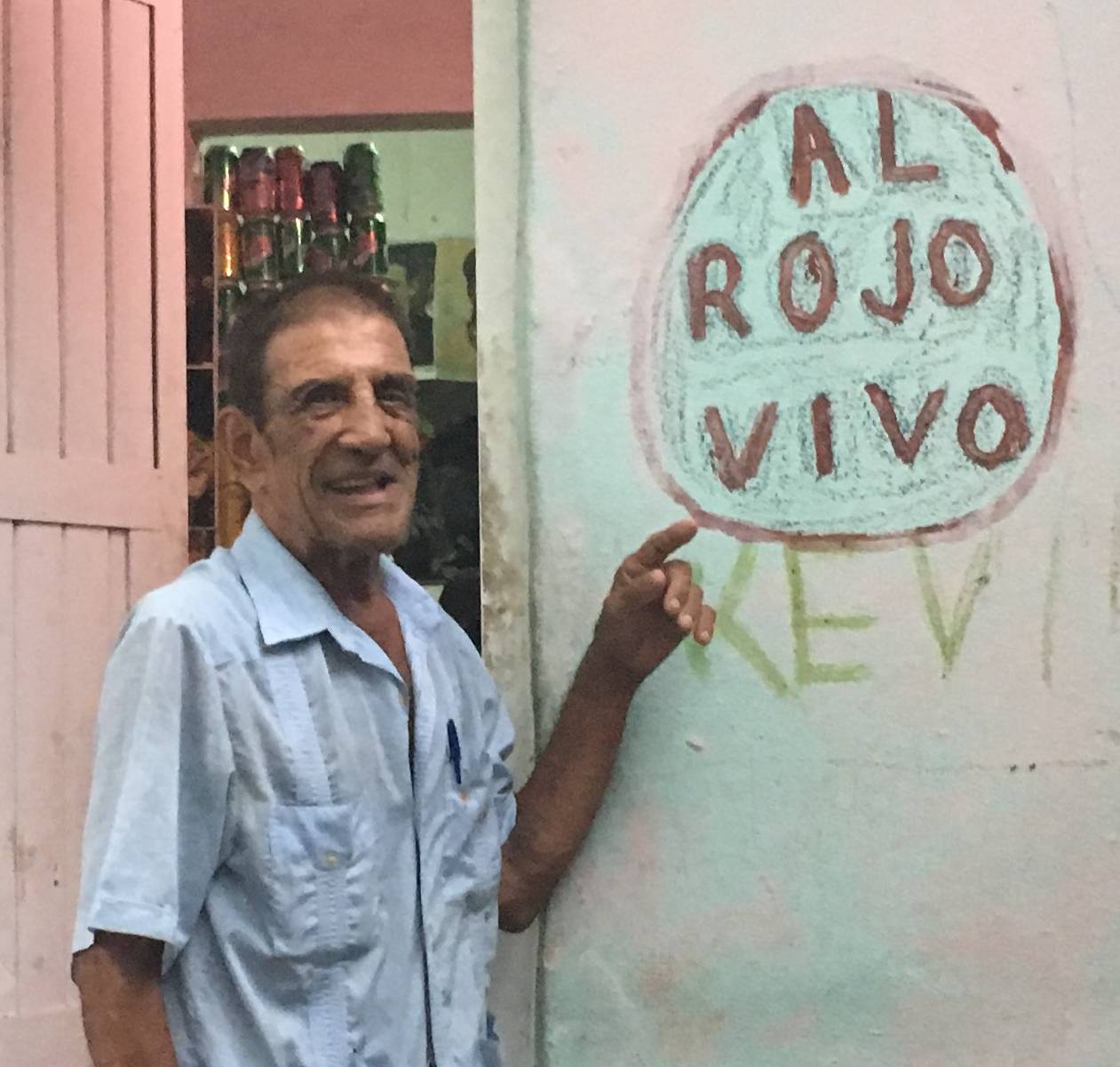
I dedicate this chapter to my Cuban dad, Antonio Rojo (Papi), in heaven, who strongly supported and helped my life in Cuba. He was a man who loved music more than anybody else.
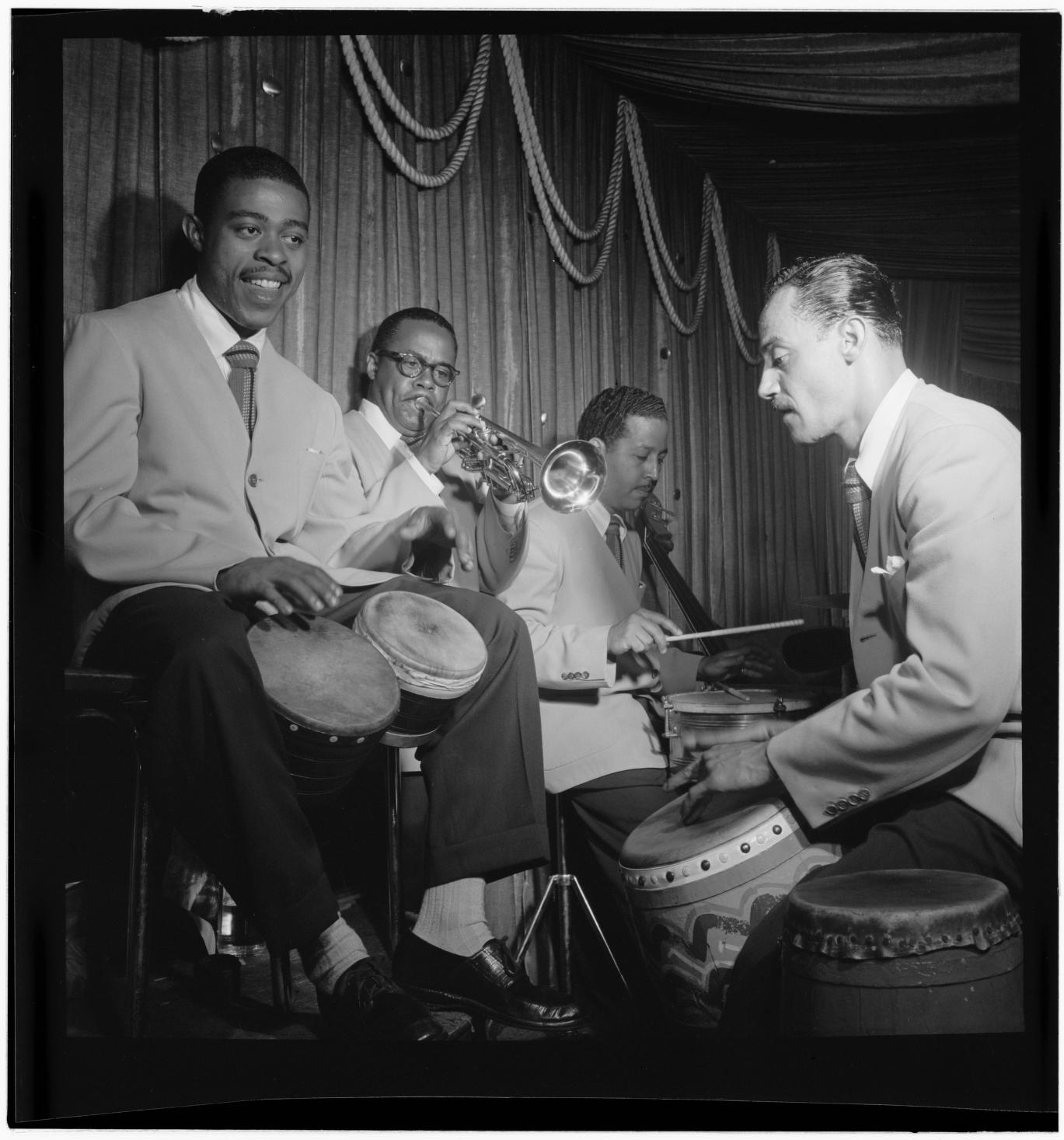
Desi Arnaz
Ricky Ricardo was played by a man who had actually lost his country.
Desiderio Alberto Arnaz III was born in Santiago de Cuba in 1917. His father was the youngest mayor Santiago had ever had, and later sat in the Cuban House of Representatives.
In 1933 the Machado government fell. His father was jailed and everything the family owned was confiscated. That August their house was burned and ransacked. The father got out to Miami first and started an import-export business there with two other refugees, and in June 1934 Desi arrived in America, seventeen years old.
This was not a move. It was exile — the movement of someone whose home had been burned behind him.
One thing is worth keeping straight. This was not the 1959 revolution. It was the fall of Machado in 1933, twenty-six years earlier.
He went on to a hit with "Babalú," and founded Desilu Productions — the studio that would later put Star Trek on the air.
He was among the first Cuban exiles to reach the center of American popular culture. For a great many Americans in the 1950s, the bandleader with the heavy accent on their television set was the only Cuban they would ever meet.