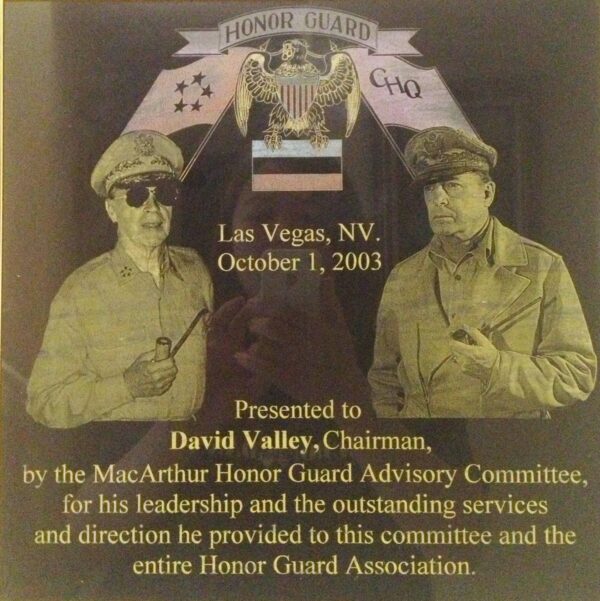
I dedicate this chapter to my friends, Mr. David Valley, who was the last Executive Director of the MacArthur Honor Guard Association, and Mr. Donald Versaw, who was captured in the Philippines after the General was forced to leave them behind.
Why MacArthur?
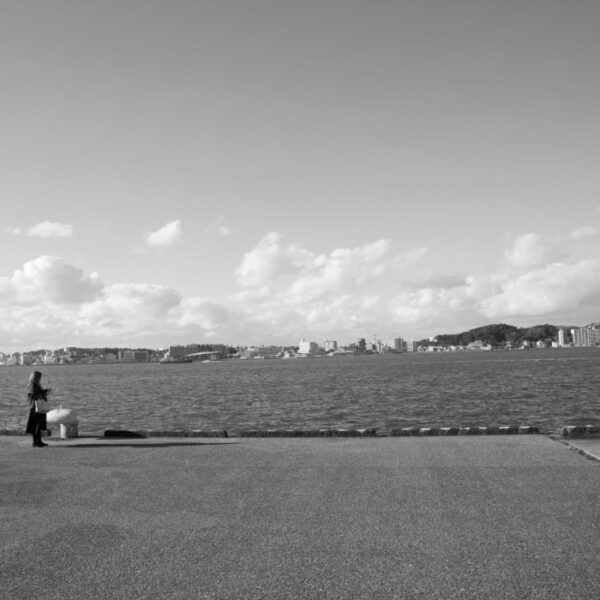
Why here, in the Kanmon Straits?
And, why did someone like me
—living outside the boundaries of society—have to be the one to tell this story?
It all began with a 'screening trouble' at the MacArthur Memorial in Norfolk. A documentary that failed to play. The untold stories of the BOYS. To me, it feels like a letter from the General, drifting across time and space to wash ashore here, in the Kanmon Straits."
In late 2012, I created a booklet titled"Kitakyushu: Wartime and Post-Wartime—We Remember You."I distributed it in February 2023 at an event celebrating the 50th anniversary of Kitakyushu City. My motivation was simple: although Kitakyushu's modern technology and economy were built upon a foundation of military history since the Meiji era, that history is rarely discussed.
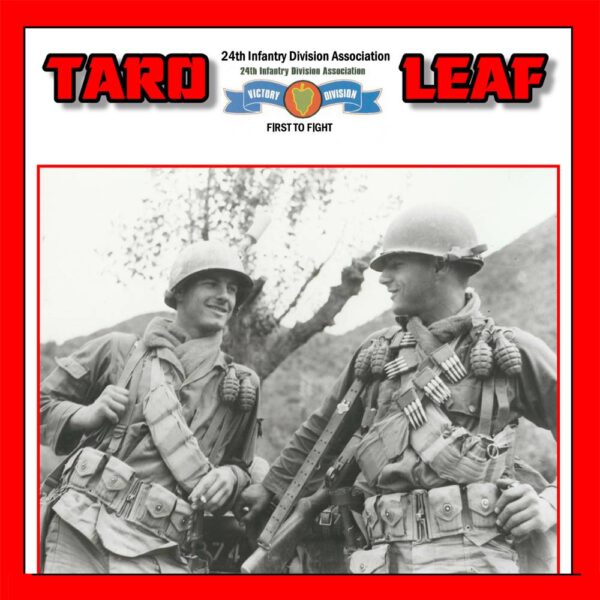
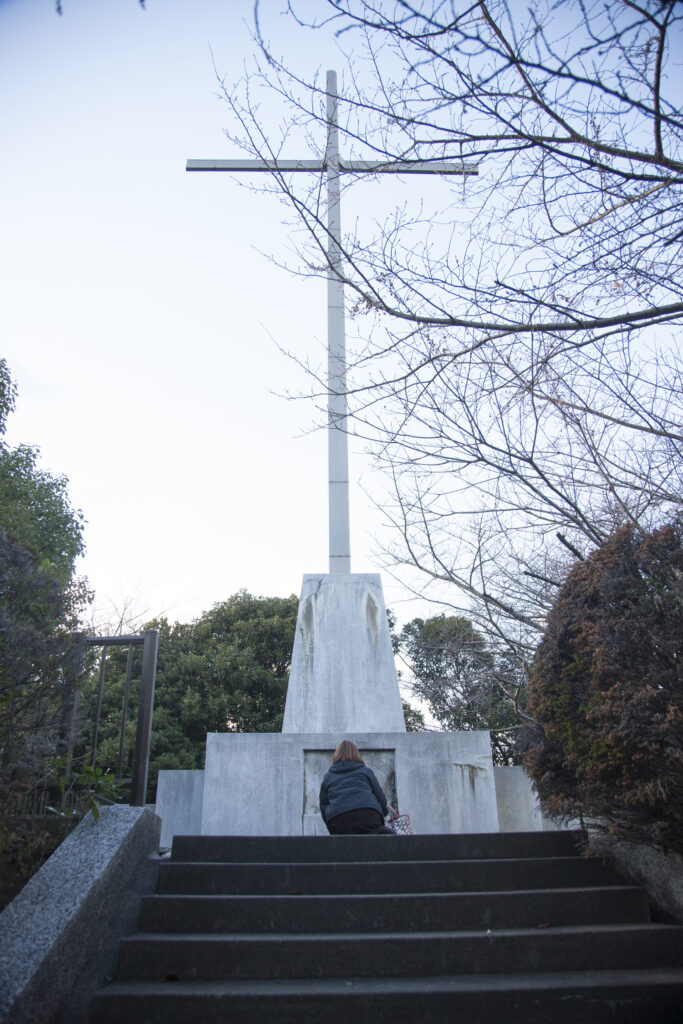
While researching the "Memorial Cross"—a Korean War monument in Kokura—I discovered that the 24th Infantry Division had been stationed there. When I contacted their veterans' association, I was introduced to Mr. David Valley, who expressed a strong wish to connect with me.
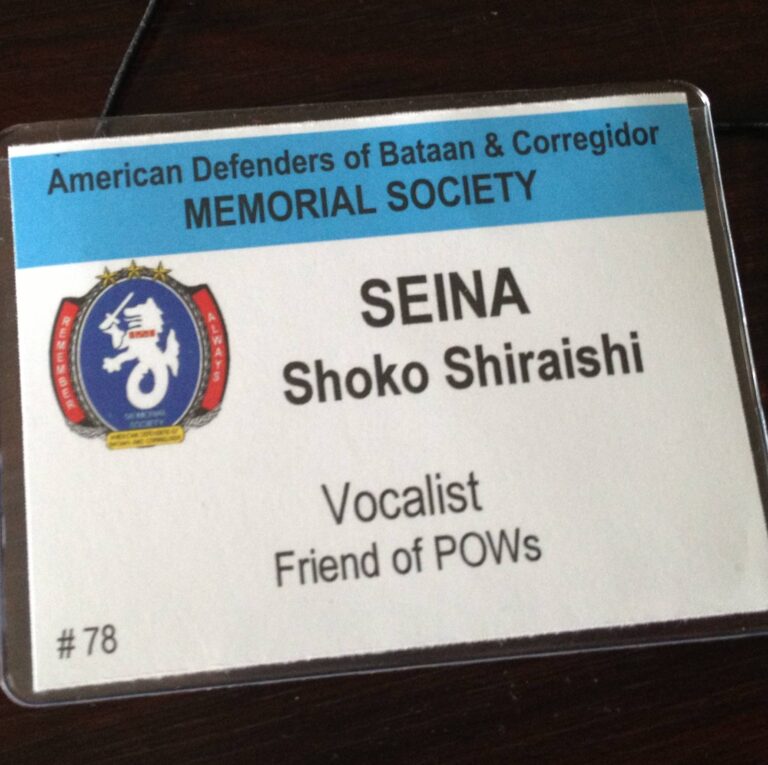
Around the same time, I learned that a convention for theAmerican Defenders of Bataan and Corregidor Memorial Society(ADBCMS), to which my friend Mr. Donald Versawbelonged, was being held in Norfolk, Virginia—a sister city of Kitakyushu. Feeling a mysterious pull, I traveled to Norfolk in May as a representative of Donald (who could not attend) and was invited to sing at the convention.
When I told David about this, he insisted:"The MacArthur Memorial is in Norfolk. I will contact them myself; you must visit it."
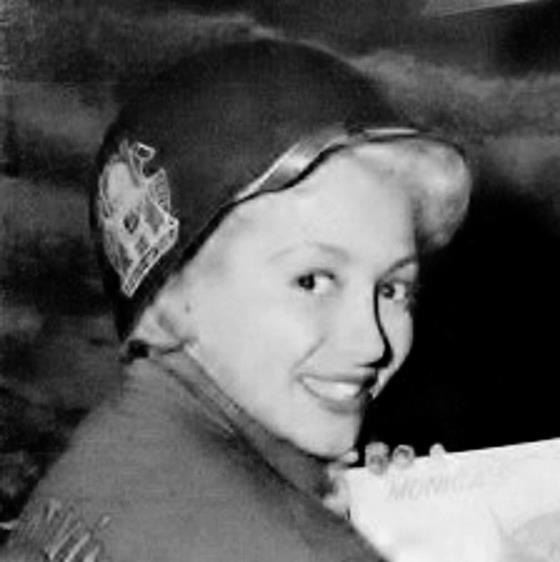
This journey took me to New York (my second home), Norfolk for the convention, San Diego to visit David Valley, and Los Angeles to see Monica Lewis. Looking back, it feels as though I was being guided by the General himself.
My departure began at Fukuoka Airport—located on the former site of Itazuke Air Base, where the Smith Force first deployed to Korea. My first stop was Hawaii, where I visited theUSS Missouri, the battleship where Japan signed the surrender documents.
In New York, I stayed with my friend Bob Cranshaw, a legendary jazz bassist and a veteran who served in the Korean War as a Black soldier. He was a founding member of theSaturday Night Live Band and played alongside giants like Sonny Rollins for decades.He once told me a story on a subway platform in Tokyo—about the day his friend John Belushi didn't show up because he had passed away, and how that tragedy led Bob to walk away from drugs forever. During my stay in NY, another old friend invited me to see the USS Intrepid. I knew nothing of this aircraft carrier then, but later discovered it played a vital role in the General's second Philippine campaign.
The most striking moment occurred in Norfolk. The MacArthur Memorial hosted a screening of a documentary about POWs created by veterans and their families. As we sat in the hall, a technical glitch suddenly stopped the film. The reaction from the former POWs and their families was intense—an overwhelming, visceral anger. It was then I truly understood: these were the men left behind in the Philippines when MacArthur made his famous escape, promising"I shall return." They were the ones who became prisoners of Japan.
Those very prisoners were eventually shipped to the port ofMoji.
Furthermore, when the Korean War broke out, the 24th Infantry Division—stationed closest to Korea—was the first to be sent to the front under MacArthur's command.
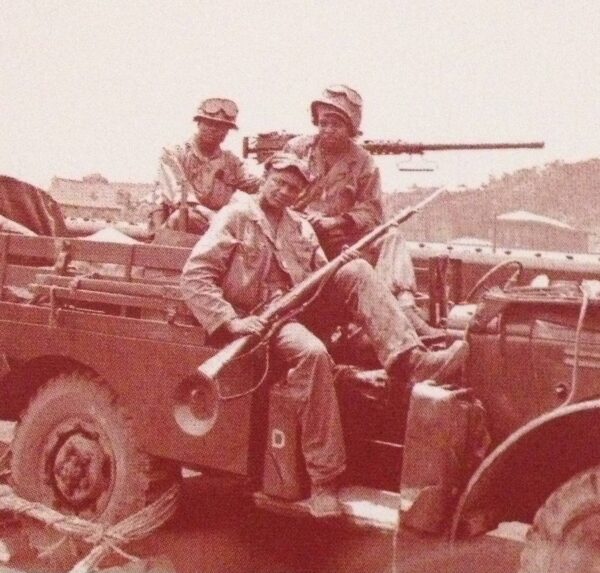
In Kokura, there is a dark, unspoken history known as the"Kokura Riot" (the model for Seicho Matsumoto's'Kuroji no E'). Black American soldiers, arriving by train from Gifu, were pushed to a breaking point by the combination of racial discrimination and the terror of being sent to a "land of death." On July 12, 1950, under MacArthur's orders, they were loaded onto makeshift fishing boats and coal ships at Moji Port and sent across to Busan, vanishing into the brutal battles of the "Forgotten War."
In this chapter, I introduce these three overlooked stories of the Korean War and invite you to walk with me through my journey.